 Miss Manal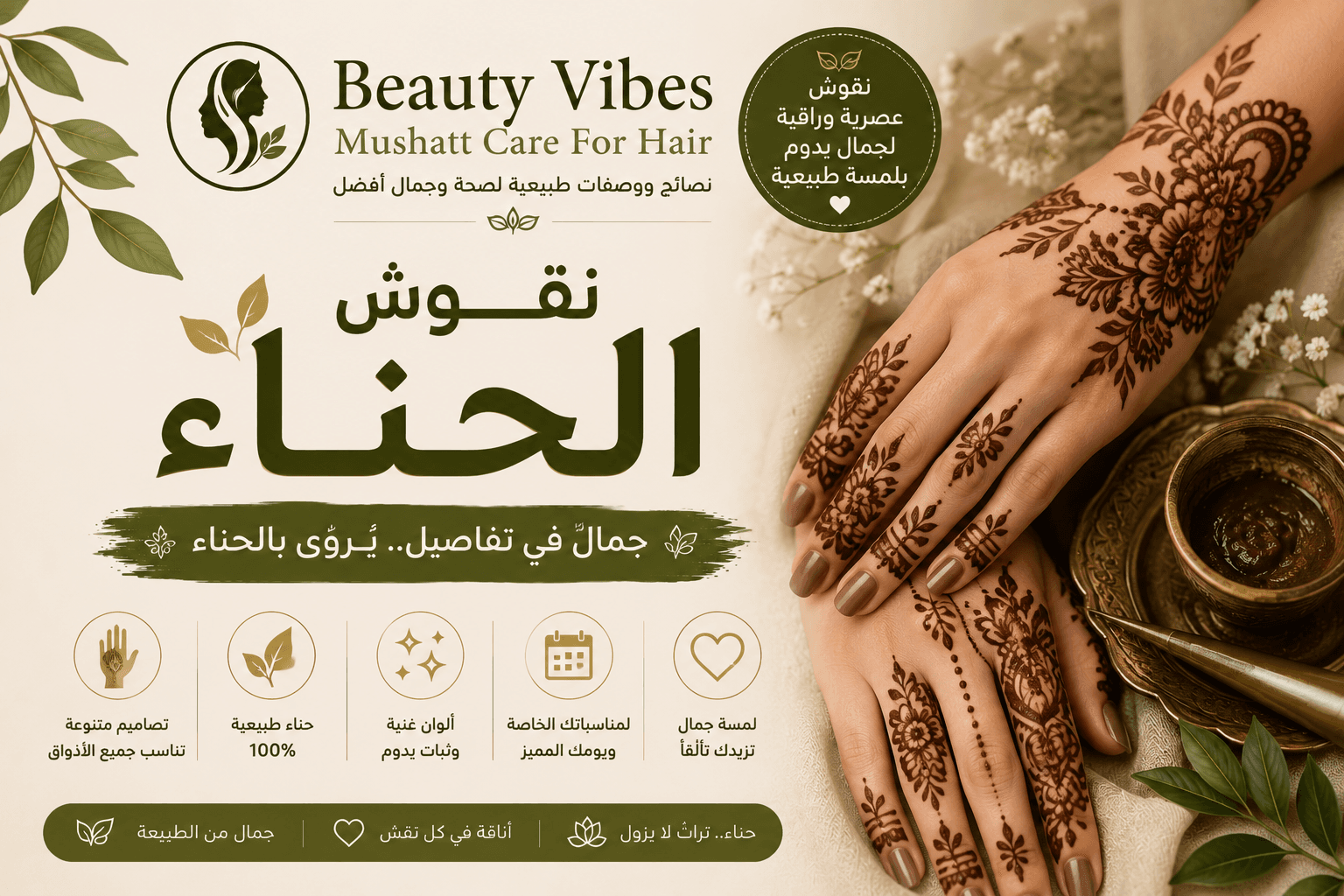
Henna in Arab Traditional Beauty
Henna has been a treasured part of Arab beauty traditions for centuries. Known for its natural coloring properties and cooling effects, henna is deeply connected to culture, celebration, and self-care across the Arab world. From decorating hands before weddings to nourishing hair naturally, henna remains one of the most beloved beauty rituals passed down through generations.
The History of Henna in Arab Culture
Henna, derived from the leaves of the henna plant, has been used in the Middle East and North Africa for thousands of years. Arab women traditionally prepared henna paste at home using dried henna powder mixed with water, rose water, or herbal ingredients. It was often applied during special occasions such as weddings, Eid celebrations, and family gatherings.
Brides especially wore beautiful henna patterns on their hands and feet as a symbol of happiness, beauty, and good fortune. This tradition is still popular today in many Arab countries including Saudi Arabia, the UAE, Morocco, Sudan, and Yemen.
Henna for Hair Beauty
One of the most common uses of henna in Arab beauty care is for hair treatment. Many women prefer henna because it is a natural alternative to chemical dyes. Henna gives the hair a rich reddish-brown color while also strengthening and nourishing it.
Some traditional benefits of henna for hair include:
- Adding shine and softness
- Reducing hair breakage
- Helping with scalp health
- Giving natural color coverage for gray hair
- Making hair appear thicker and healthier
Arab women often mix henna with natural ingredients like olive oil, yogurt, hibiscus, or black seed oil to create nourishing hair masks.
Henna Designs and Body Art
Henna body art is one of the most recognizable parts of Arab traditional beauty. Skilled artists create elegant floral and geometric patterns on the hands and feet using fine henna paste. These designs are temporary and usually last one to three weeks.
Different Arab regions have unique henna styles. Gulf henna designs are often bold and flowing, while Moroccan patterns feature geometric details and symmetry. Sudanese henna is known for its dark color and intricate full-hand designs.
Today, henna art continues to blend tradition with modern fashion, making it popular among women around the world.
Natural and Cultural Beauty
In recent years, many people have returned to natural beauty products, and henna has gained renewed popularity. Unlike some chemical beauty treatments, pure henna is plant-based and free from harsh ingredients when prepared naturally.
Henna represents more than beauty in Arab culture. It reflects heritage, femininity, celebration, and connection to family traditions. Mothers and grandmothers often teach younger generations how to prepare and apply henna, keeping this beautiful custom alive.
Conclusion
Henna remains an important symbol of Arab traditional beauty because of its natural benefits and cultural value. Whether used for hair care, body art, or festive celebrations, henna continues to bring together beauty and tradition in a timeless way. Its rich history and natural charm make it one of the most cherished beauty practices in the Arab world
You may like